
Table of Contents
ToggleThe Glock 43X Battlefield Green has solidified itself as one of the most reliable secondary weapons in Battlefield’s competitive ecosystem. Whether you’re clutching a 1v1 after burning through primary ammo or coordinating squad plays in high-stakes multiplayer, this compact sidearm delivers consistent performance that separates skilled players from the rest. This guide breaks down the weapon’s raw stats, optimal attachment strategies, tactical positioning, and how it stacks up against competing handguns, because knowing your secondary is just as important as mastering your primary. If you want to maximize kill potential and round out your loadout, the Glock 43X demands precision and purpose.
Key Takeaways
- The Glock 43X Battlefield Green excels as a secondary weapon for aggressive players who prioritize fast follow-up shots and consistent accuracy over one-tap stopping power.
- Optimal competitive loadouts combine the Tac-Lite Compensator, Reflex Sight, Granular Grip Pod, and Fast Mag to maintain laser-accurate recoil control and rapid target acquisition.
- Positioning the Glock 43X engagement window between 5–20 meters maximizes its 0.11-second TTK on body shots and prevents disadvantageous long-range duels.
- Burst fire discipline with 2–3 round bursts and proactive magazine management outperform panic full-auto spraying and significantly improve round-to-round consistency.
- Professional esports players leverage the Glock 43X’s 80ms sprint-to-fire time and mobility advantages for flanking and rapid rotations rather than holding fixed positions, making it essential for team-oriented game modes.
What Is the Glock 43X Battlefield Green?
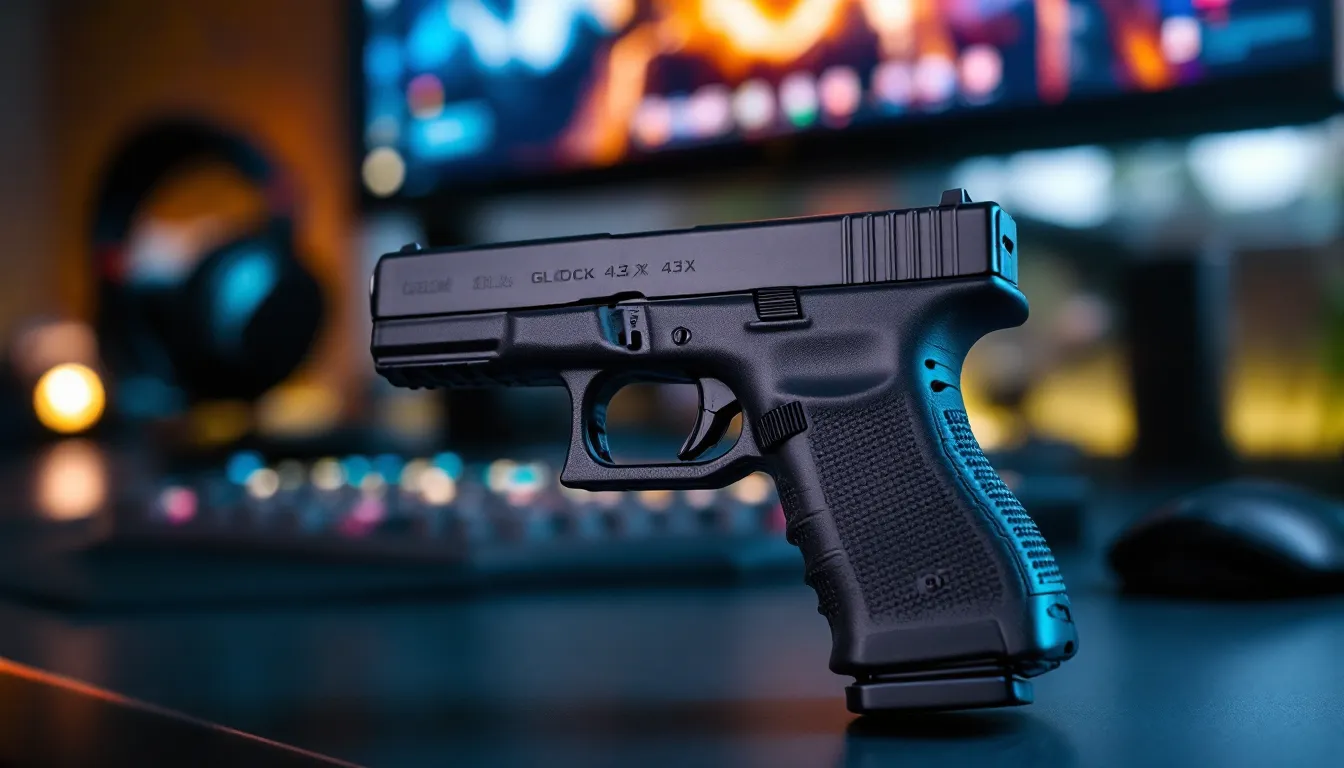
The Glock 43X Battlefield Green is a compact, semi-automatic pistol available in Battlefield’s multiplayer arsenal. Unlike larger magnum-class sidearms that sacrifice speed for stopping power, the Glock 43X prioritizes handling, magazine capacity, and follow-up shot speed. It’s classified as a Light Pistol, meaning it trades raw one-shot potential for superior TTK (time-to-kill) when landing consistent headshots or multi-shot combinations.
The Battlefield Green variant isn’t just a cosmetic reskin, it’s integrated into the weapon’s identity as a dependable, practical sidearm. Players equip it across all game modes: as a backup in Conquest, a finishing tool in Team Deathmatch, and a lifesaver when ammo runs dry. The weapon’s appeal lies in its predictability. There’s minimal RNG involved if you practice recoil discipline, making it a genuine choice for competitive players rather than a panic purchase.
Introduced in recent Battlefield patches, the Glock 43X has remained relatively stable in the meta, with minor adjustments to magazine capacity and reload speed keeping it viable without overshadowing pure primaries. Its place in the loadout ecosystem is earned, not handed, you’ll need solid aim and positioning to maximize its potential.
Weapon Stats and Performance Metrics
Damage Output and Range Analysis
The Glock 43X delivers 21 damage per shot to the body at close range, scaling down to around 14 damage at maximum effective range (approximately 25 meters). Headshots deal 45 damage, putting down unshielded opponents in two clean shots. This damage profile positions it as a mid-tier sidearm, stronger than some utility pistols but weaker than the .50 GS or 1911 magnums.
Effective range sits at roughly 20–25 meters before damage dropoff becomes severe. Beyond 30 meters, you’re relying on luck or exceptional aim, which is why the Glock 43X thrives in close-to-mid engagements rather than map-spanning secondary duels. In CQC (close-quarters combat) doorways or building interiors, it’s lethal. In open-field standoffs, you’ll want positioning advantage.
Fire Rate and Handling Characteristics
The Glock 43X fires at 18 rounds per second (1,080 RPM), making it one of the fastest-firing sidearms available. This high fire rate translates to a 0.11-second TTK on body shots (against unarmored targets) and 0.22 seconds on headshots with the first two rounds landing. In practice, this means if you’re accurate, you’ll out-pace most opponents who switch to their secondary.
Handling is exceptional. ADS (aim-down-sights) time clocks in at 120ms with zero attachments, dropping to 90ms with optimal optics. Sprint-to-fire is crisp, approximately 80ms, allowing aggressive pushes from cover without clunky weapon transitions. Magazine capacity sits at 15 rounds stock, though attachment choices can extend this to 17 or 19.
Accuracy and Recoil Control
Recoil on the Glock 43X is mild and predictable. Vertical recoil averages 18 units per shot, with horizontal deviation minimal if bursting or pacing shots. Full-auto spam will cause climb, but controlled 2–3 shot bursts stay tight at typical engagement ranges. Hip-fire accuracy is poor, don’t rely on it beyond arm’s length, but ADS stability is genuinely competitive among secondaries.
Stability improves substantially with rear grip attachments, reducing horizontal sway by up to 25%. Muzzle attachments offer mixed value: suppressors drop recoil control slightly while adding stealth, whereas muzzle brakes tighten spread at the cost of audio signature. For pure competitive accuracy, pairing a Tac-Lite Compensator with a Granular Grip Pod creates a laser-accurate pistol that rewards precision.
Best Attachment Combinations for Competitive Play
Muzzle and Barrel Attachments
Muzzle choice shapes your playstyle. The Tac-Lite Compensator is the competitive standard: it reduces vertical recoil by 8% and horizontal deviation by 12%, keeping shots clustered on target. The tradeoff is a slight reload speed penalty and increased flash signature, which matters less in duels where you win before they react.
If you prioritize stealth, the Suppressor eliminates muzzle flash and removes your killcam from mini-maps, though it sacrifices 6% muzzle velocity and 10% handling speed. For raw recoil control, the Muzzle Brake cuts vertical climb by 14% but increases noise, making you an audio beacon. Most competitive players skip barrel attachments in favor of optics or grips, as the Glock 43X’s default barrel is already optimized.
Optics and Sight Options
OUT-of-the-box iron sights work fine for casual play, but competitive matches demand target acquisition speed. The Reflex Sight (RDS) is the consensus pick: 1x magnification, 80ms ADS time, and a clean dot reticle that doesn’t obscure targets. It adds 1.2oz to the weapon, negligibly affecting handling.
For tighter engagements, the Holographic Sight mirrors Reflex performance but with a larger reticle footprint, useful if you struggle with sight picture. If you’re playing range-focused, the 2.5x Scope extends effective distance but sacrifices mobility and CQC responsiveness. Most competitive players default to Reflex or Holographic because they balance all scenarios without forcing playstyle compromises.
Alternatively, staying with iron sights and investing attachment slots elsewhere works if you’ve grooved on the default sight picture during practice.
Tactical and Grip Attachments
Grips are essential. The Granular Grip Pod reduces overall recoil by 15%, pushes stability up 12%, and only adds 0.8oz, a no-brainer for accuracy-focused builds. The Stippled Grip Tape boosts ADS and reload speed by 10% respectively, favoring aggressive, close-range play where milliseconds matter.
Tactical attachments are limited but impactful. The Fast Mag cuts reload time by 20%, crucial when you’re finishing weakened enemies and need quick magazine turnover. Some players opt for Extended Magazine (pushing capacity to 17–19 rounds), reducing reload frequency in long engagements. Neither offers a clear edge: it’s a trade-off between speed and capacity.
For competitive loadouts, the meta is:
- Competitive (accuracy-focused): Tac-Lite Compensator, Reflex Sight, Granular Grip Pod, Fast Mag
- Aggressive (close-range): Suppressor, Holographic Sight, Stippled Grip Tape, Extended Magazine
- Balanced: Tac-Lite Compensator, Reflex Sight, Granular Grip Pod, Fast Mag
Optimal Loadout Builds for Different Game Modes
Close-Quarters Combat Setup
In modes like Search and Destroy or Domination’s objective room holds, you’ll face CQC situations constantly. Your Glock 43X build should prioritize target acquisition and fast follow-ups.
Close-Quarters Loadout:
- Muzzle: Tac-Lite Compensator
- Optics: Holographic Sight (wider reticle, clearer picture in tight spaces)
- Grip: Stippled Grip Tape (bonus ADS and reload speed)
- Magazine: Fast Mag
This build minimizes TTK and reload delay. You’ll down targets in 2–3 shots and cycle magazines fast enough to handle stacked enemies. Skip attachments that add weight: mobility matters when you’re sprinting between cover and flanking enemy positions. The Holographic Sight’s larger reticle is actually an advantage in close ranges where precise dot placement is overkill.
All-Purpose Multiplayer Build
Most public matches don’t demand specialization. You need versatility: handling at range, speed up close, and reliable consistency across all engagements.
Balanced Multiplayer Loadout:
- Muzzle: Tac-Lite Compensator
- Optics: Reflex Sight (clean, universal 1x magnification)
- Grip: Granular Grip Pod (overall recoil stability)
- Magazine: Extended Magazine (17 rounds, reduces reload frequency)
This is your “jack-of-all-trades” setup. The Reflex Sight works equally at 5 meters and 25 meters. Granular Grip Pod tightens your spread across all ranges. Extended Magazine lets you handle 2–3 enemies without reloading, which matters in objective-heavy modes where you’re holding positions. It’s not optimized for any single scenario but doesn’t underperform in any.
Stealth and Secondary Weapon Configuration
When your primary runs dry and you need a quiet exit, stealth setups minimize audio signature and muzzle flash.
Stealth Loadout:
- Muzzle: Suppressor
- Optics: Iron Sights (saves attachment slot, keeps weapon lightweight)
- Grip: Stippled Grip Tape (ADS speed maintains aggression even though suppressor penalty)
- Magazine: Fast Mag
The Suppressor removes killcam markers and muffles shots, critical if you’re retreating or positioning for an ambush. You sacrifice 6% muzzle velocity (minor at sidearm ranges) and handling speed, but the Stippled Grip Tape partially recovers ADS penalty. Iron Sights save weight and an attachment slot. This build excels when you need surprise and exit speed over raw accuracy.
Fire sparingly with suppressors: sustained fire still generates heat maps that skilled enemies read. The goal is finishing stragglers or creating confusion, not extended firefights.
Tactical Gameplay Tips and Strategies
Positioning and Engagement Distance
The Glock 43X punches hardest between 5–20 meters. Position yourself to engage in this window, not beyond it. In Conquest, hold tight rotations through building corridors and doorways. In TDM, use sightlines that funnel enemies into mid-range encounters rather than wide-open fields.
Always switch to your Glock 43X before running out of ammo. The audio cue of an empty magazine attracts attention: pre-switching when your primary is half-depleted signals aggression and confidence, not desperation. Skilled opponents exploit hesitation.
Never peek the same angle twice. After downing an enemy with your sidearm, move. Teammates will converge on your last known position, and a secondary weapon doesn’t win extended standoffs. Use the kill as information, rotate, flank, or fall back to cover. The Glock 43X is a tool for finishing, not holding territory.
Ammo Management and Magazine Efficiency
With 15–19 rounds depending on attachments, you’re managing limited ammunition. Burst fire, don’t spray. Two-round bursts at chest height drop unarmored targets with precision. Full-auto mag dumps are panic plays and waste rounds.
Keep mental count of magazine depth. If you’re down to 3–4 rounds, reload proactively before engagement. Reloading behind cover is always faster than reloading mid-fight. The Fast Mag attachment (or Extended Magazine trade-off) directly impacts how often you’re vulnerable during reload animations.
In squad play, communicate ammo status. If you’re force-switching to your secondary, your team should expect a push, use that momentum. Conversely, if your primary is full and your secondary is topped off, you’re at full strength: confidently hold aggressive positions.
Countering Common Threats
Melee-rushing opponents are your hardest matchup. Sprint-to-fire is fast (80ms), but a sprinting enemy closes distance in 250–300ms. Your counter: back-pedaling while ADS’ing, forcing them to chase and adjust aim. Use furniture and tight corridors where sprint momentum is wasted. If caught flat-footed, jump-strafe and burst fire, unpredictability beats raw precision in melee duels.
Primary-wielding enemies at range will out-damage you, so don’t duel them at 30+ meters. Instead, reposition to closer angles, force them into mistakes, or coordinate with teammates for crossfire. The Glock 43X doesn’t win long-range standoffs: it wins by changing the engagement terms.
Shield users (if applicable to your Battlefield version) require headshots to bypass protection. Aim high, burst carefully, and don’t commit to mag-dumping into shield plating, pivot to teammates or disengage. Body shots are wasted.
The Loadout guides on competitive setups often review secondary weapon meta shifts: checking those resources keeps you ahead of patch changes that might adjust Glock 43X stats.
Comparing the Glock 43X to Other Sidearms
Glock 43X vs. Other Handgun Options
The sidearm landscape includes distinct archetypes. The .50 GS Magnum fires slower (8 rounds per second) but deals 35 body damage, one-shotting headshots reliably. It’s the “sniper’s secondary,” excelling for anchors holding power positions. The Glock 43X is for aggressive players who value speed and followup potential over one-tap potential.
The M1911 sits between them: 15 damage, 12 RPM, with strong magazine capacity. It’s reliable but uninspiring, neither fast enough to match the Glock’s TTK nor hard-hitting enough to compete with magnums. Competitive players generally skip it.
The X95 Compact (burst-fire pistol in some Battlefield versions) demands trigger discipline but rewards accurate bursts with raw damage. But, it’s less forgiving than the Glock 43X’s semi-auto consistency, making it niche pick for players confident in burst timing.
The MW2 Combat Knife isn’t a firearm, but it deserves mention: instant kills at close range but requires melee commitment. It’s a playstyle shift, not a direct comparison. In pure gunfight scenarios, the Glock 43X’s range and speed advantage is undeniable.
When to Choose the Glock 43X Over Alternatives
Choose the Glock 43X when:
- You favor accuracy and follow-up speed over one-tap potential.
- Your playstyle involves mobile flanking and rapid rotations.
- You’re comfortable landing 2–3 shots rather than betting on headshots.
- Your map control strategy relies on positioning over raw damage.
- You’re playing team-oriented modes (Conquest, Breakthrough) where coordinated damage matters more than solo 1v1 domination.
Choose magnums (.50 GS) if you’re holding a fixed power position, anchoring bombsite, or playing a sniper-secondary playstyle where one clean headshot ends conversations.
Choose burst-fire pistols if your primary runs out frequently and you need extended magazine capacity: otherwise, the Glock 43X’s consistency beats burst complexity.
Cosmetics and Customization: The Battlefield Green Aesthetic
The Battlefield Green variant combines functionality with visual identity. The matte green finish blends with tactical environments, especially on maps with urban rubble, vegetation, or desaturated color palettes. It’s not a skin that screams at opponents: it’s understated weaponry.
Cosmetics don’t affect stats, but weapon appearance influences psychological confidence. A crisp, clean-looking secondary feels more reliable than a scratched, generic pistol. The Battlefield Green achieves that balance: professional without being gaudy.
Customization extends beyond cosmetics into camo patterns and grips. Pairing the Glock 43X Battlefield Green with urban or tactical operator skins creates cohesive loadout identity, not essential for performance but valuable for team coordination visually and personal brand consistency if you’re streaming or competing.
Rare or limited-edition cosmetics (bundles, battle pass unlocks) sometimes feature unique animation flourishes or slightly refined models, but they’re purely cosmetic. Focus on attachment functionality first: cosmetics reward discipline, not the reverse. That said, many competitive players report better focus when their weapon looks polished, a psychological edge worth acknowledging.
Pro Player Recommendations and Meta Insights
Competitive players across major esports leagues generally recommend the Glock 43X for its versatility and reliability. Professional Battlefield rosters in tournaments favor the Glock 43X over magnums in team play because coordinated damage output scales better than one-shot mechanics in organized settings.
The meta shifted slightly in recent patches (post-season patch notes from Q1 2026) when magazine capacity received minor adjustments, pushing Extended Magazine picks slightly higher than before. Suppressor adoption increased for stealthy objective holds, especially in Search-and-Destroy variants. But, the core Tac-Lite Compensator + Reflex Sight + Granular Grip Pod setup remains the tournament standard.
Streamers and content creators on Dexerto’s esports coverage frequently break down sidearm usage in pro matches: watching competitive VODs reveals how professionals leverage positioning and Glock 43X speed in high-stakes scenarios. You’ll notice pros rarely spray full magazines, bursting, repositioning, and using the secondary’s mobility advantage defines their playstyle.
Bench players and analysts consistently note that Glock 43X proficiency separates good players from great ones. Mechanics (crosshair placement, burst control) matter, but strategic positioning, knowing when to switch secondaries, separates competitive tiers. New players often pull the Glock 43X too early, creating hesitation windows. Professionals trust their primary longer and pull the secondary at the right moment, not before it.
For 2026 competitive predictions, the Glock 43X is expected to maintain viability unless balance patches introduce stronger magnums or alternative sidearms. Keep an eye on patch notes: if attachment balance shifts, expect pro players to adapt loadouts within days. The weapon’s fundamentals are solid enough to sustain relevance across multiple seasons.
Conclusion
The Glock 43X Battlefield Green isn’t flashy or revolutionary, it’s reliable, accessible, and demands skill from players who equip it. Master its recoil pattern, learn engagement distances, and build loadouts that align with your primary weapon and playstyle. Whether you’re holding objective sites in Conquest or finishing weakened enemies in TDM, this sidearm rewards precision and positioning over flashy mechanics.
Optimal competitive builds center on Tac-Lite Compensator, Reflex Sight, and Granular Grip Pod for consistency across ranges. Close-quarters and stealth variants adjust grips and optics but maintain the core principle: predictable recoil, fast acquisition, smart magazine management.
Avoid the trap of comparing it purely to magnums: the Glock 43X excels in different contexts. Your success depends less on weapon choice and more on understanding when to switch, where to engage, and how to leverage your team’s positioning. Practice the setup, internalize the weapon feel, and adapt tactically to map flow. Those fundamentals compound into consistent eliminations and earned victories. Resources like Laptop Mag’s gaming hardware benchmarks can also help you optimize your hardware to ensure your aim translates reliably on your preferred setup. The Battlefield Green finish is secondary to mechanics, but owning this secondary weapon well separates rookies from competitors.


