
Table of Contents
ToggleWhile most gamers know Battlefield maps as digital recreations, some of history’s most pivotal battlegrounds are preserved and open to visitors. Wilson’s Creek National Battlefield, located in southwestern Missouri, stands as one of the Civil War’s most significant, and underrated, historical sites. On August 10, 1861, Union and Confederate forces clashed here in a battle that shaped the entire trajectory of the war in the western theater. For those interested in real-world military history, tactical positioning, or simply exploring a landmark that influenced American warfare strategy, Wilson’s Creek offers a compelling narrative that goes far beyond what any game engine can simulate. This guide covers everything you need to know about visiting Wilson’s Creek National Battlefield, from historical context to practical visitor information, helping you understand both the battle itself and why it matters.
Key Takeaways
- Wilson’s Creek National Battlefield preserves the first significant Civil War battle west of the Mississippi River (August 10, 1861), where Union forces under General Nathaniel Lyon were defeated by Confederate troops, reshaping Missouri’s war experience and Union military strategy.
- The 1,956-acre battlefield features authentic terrain, preserved earthworks, guided trails, and the restored Ray House where visitors can walk the exact ground where over 2,500 soldiers were killed or wounded in a single day’s engagement.
- The visitor center offers extensive exhibits on Civil War tactics, weapons, civilian experiences, and ranger-led programs that provide invaluable historical context for understanding the battle’s significance and impact on the broader conflict.
- Wilson’s Creek is best visited in spring or fall, offers free admission, and provides multiple trail options ranging from easy accessible paths to strenuous hikes, accommodating visitors of all fitness levels and time commitments.
- Combine your Wilson’s Creek visit with nearby Springfield, Fort Davidson State Historic Site, or Pea Ridge National Military Park to gain a comprehensive understanding of western Civil War operations and Missouri’s contested role in the conflict.
What Is Wilson’s Creek National Battlefield?
Wilson’s Creek National Battlefield is a National Park Service site preserving the location of the Battle of Wilson’s Creek, fought on August 10, 1861, in Jasper County, Missouri. The battlefield encompasses 1,956 acres and includes the actual terrain where Union forces under Major General Nathaniel Lyon faced Confederate troops led by General Sterling Price and General Ben McCulloch.
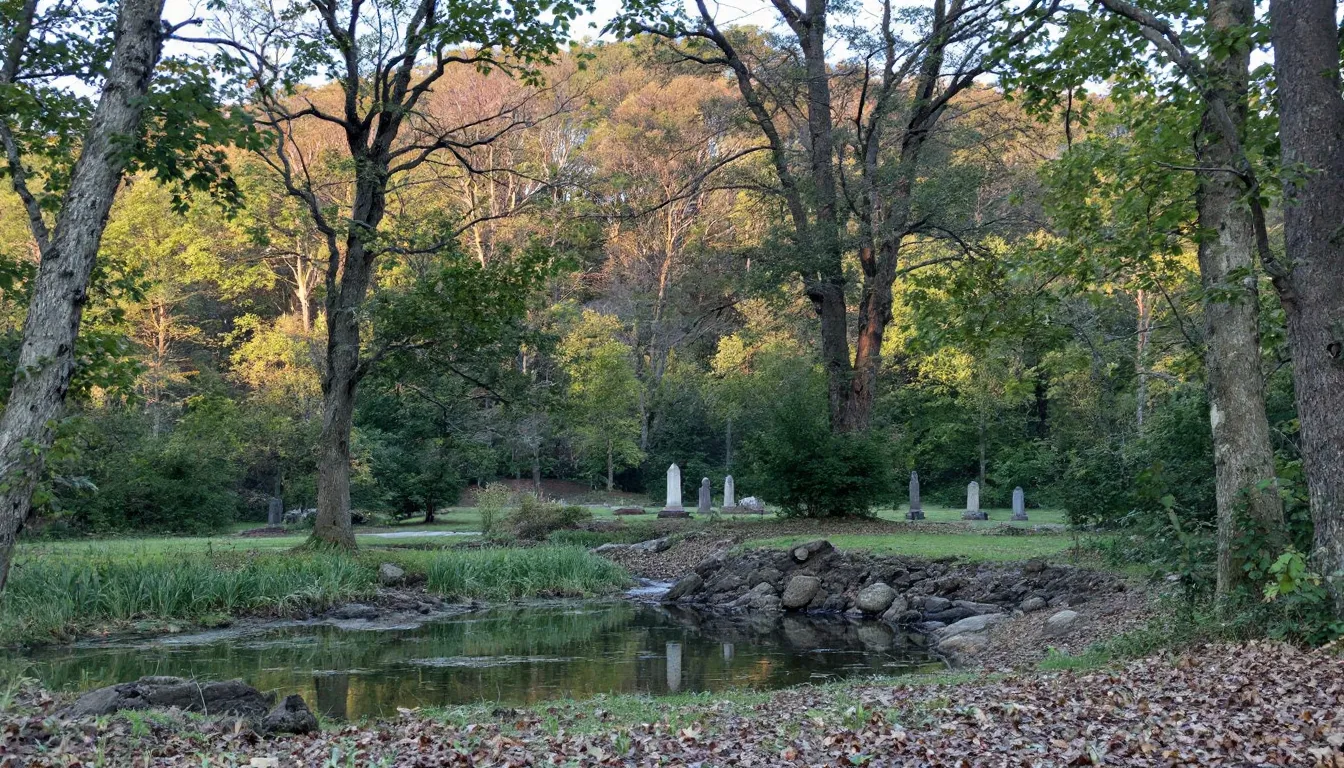
Unlike some historical sites that feel disconnected from their actual events, Wilson’s Creek lets you walk the exact ground where soldiers fought. The battlefield features preserved earthworks, monuments honoring fallen soldiers, a visitor center with extensive exhibits, and interpretive trails that guide you through the action minute by minute.
The significance of Wilson’s Creek extends beyond just one battle. This engagement, the first significant Civil War battle west of the Mississippi River, determined Union control of Missouri and influenced strategy throughout the conflict. For military history enthusiasts and those fascinated by Civil War tactics, it’s one of the most tactically interesting battlefields to study.
Historical Background and Significance
The Battle of Wilson’s Creek: August 10, 1861
On the morning of August 10, 1861, Union forces under Major General Nathaniel Lyon moved to attack the encamped Confederate army near Wilson’s Creek. Lyon commanded roughly 5,200 troops, a mix of regulars and volunteer regiments, while the Confederate force numbered approximately 12,000 under General Sterling Price and General Ben McCulloch.
Lyon devised a pincer strategy: he would divide his force, sending a column under Colonel Eugene Carr to attack the Confederate right flank while he led the main assault against their left. This tactical maneuver nearly worked. The early morning surprise caught the Confederates off-guard, and for several hours, the Union had the momentum.
But, the Confederate commanders quickly reorganized their superior numbers. Reinforcements arrived, and coordinated counterattacks gradually overwhelmed the Union position. The turning point came when Lyon was killed in action, he took a bullet while rallying his troops near the center of the line. His death demoralized the Union forces and emboldened the Confederate advance.
By mid-morning, Union troops found themselves surrounded and depleted of ammunition. Colonel Eugene Carr made the difficult decision to withdraw, executing a fighting retreat that prevented the destruction of Lyon’s entire force. The Union withdrew toward Springfield, Missouri, eventually abandoning the state capital.
The human cost was staggering: the Union suffered approximately 1,317 casualties (223 killed, 721 wounded, 373 captured), while Confederate losses totaled around 1,230 (137 killed, 855 wounded, 27 missing). For a single day’s engagement, these numbers were devastating.
Impact on the Civil War and Missouri
Wilson’s Creek’s outcome rippled far beyond the local battlefield. The Confederate victory solidified their control of southwestern Missouri and forced Union forces to regroup. More importantly, it demonstrated that the conflict would be far longer and bloodier than either side initially expected.
The battle’s results shaped Missouri’s entire Civil War experience. The state remained contested territory, not seceding but never fully under Union control until late in the war. Guerrilla warfare, border raids, and internal conflict would define Missouri’s next four years. Wilson’s Creek essentially ensured that Missouri would become a battlefield unto itself.
For Union strategy, the loss at Wilson’s Creek underscored the reality that the war couldn’t be won quickly with small forces and tactical surprises. The North learned hard lessons about coordination, supply lines, and the need for overwhelming force, lessons that influenced Grant’s and Sherman’s later campaigns. The Confederate victory, while tactically impressive, couldn’t be followed up: the western Confederate army lacked the resources and mobility to exploit their advantage.
Planning Your Visit to Wilson’s Creek
Location, Hours, and Admission
Wilson’s Creek National Battlefield is located approximately 10 miles south of Springfield, Missouri, in Jasper County. The address is 6424 West Farm Road 182, Republic, Missouri 65738.
Hours of Operation:
- The visitor center is open 8:00 AM to 5:00 PM daily (closed Thanksgiving, Christmas, and New Year’s Day)
- The battlefield grounds are accessible during daylight hours year-round
- Note: Hours may vary seasonally, so check the official National Park Service website before your visit
Admission:
- Free entry for the battlefield and visitor center
- Donations are accepted and support site improvements and educational programs
Getting There:
From Springfield, take US-60 east toward Republic. Follow signs to Farm Road 182. GPS coordinates: 37.3922° N, 93.4144° W. The drive from downtown Springfield is roughly 20-25 minutes depending on traffic.
Parking:
Free parking is available at the visitor center and at various trailhead access points around the battlefield.
Best Time to Visit
Missouri’s climate means Wilson’s Creek is accessible year-round, but certain seasons offer better experiences.
Spring (April-May): Mild temperatures and wildflowers in bloom. The grounds are lush, and crowds are moderate. This is one of the best times for photography.
Summer (June-August): Hot and humid, temperatures often exceed 85°F. Morning visits are recommended to avoid afternoon heat. This is peak tourist season, so expect larger crowds.
Fall (September-November): Cooling temperatures and fall foliage make this arguably the most comfortable season. September can still be warm, but October and early November offer ideal conditions (60-70°F). Crowds are lighter than summer.
Winter (December-March): Mild compared to northern states, but cold snaps can occur. The grounds may be muddy after rain. Winter offers solitude and a different visual perspective of the terrain. Some visitors prefer this for understanding sight lines without vegetation cover.
Pro tip: If you want to experience the light angles and timing relevant to the morning battle, an early-morning visit in late summer or early fall closely approximates the August 10 conditions, though modern vegetation differs from 1861.
Exploring the Battlefield: Key Sites and Monuments
Ray House and Artillery Positions
The Ray House is one of the most significant structures on the battlefield. Built in the 1850s, it stood on the property during the 1861 battle and served as a Confederate hospital afterward. The house was directly in the line of fire, and bullet holes and cannonball damage visible on the structure provide tangible evidence of the ferocity of combat.
Today, the restored Ray House is accessible via guided tour only (check visitor center for tour times and availability). The interior interpretation explains how civilians experienced the battle, the Ray family huddled in the cellar while fighting raged above them. Outside, the surrounding terrain shows why artillery commanders chose this location: elevated ground with clear fields of fire.
Artillery Positions throughout the battlefield are marked and interpreted. Key sites include:
- Higgerson’s Battery Position: Union artillery placement that initially repelled Confederate advances
- Guibor’s and Bledsoe’s Batteries: Confederate artillery positions that eventually overwhelmed Union guns through sheer numerical advantage
- Woodruff’s Cavalry Position: Union horsemen who fought a desperate delaying action on the eastern flank
Each position includes interpretive signs explaining the tactical role and what soldiers experienced from that vantage point. For those interested in how Civil War artillery worked, range, reload times, accuracy, these sites offer concrete examples.
Walking and Driving Trails
The battlefield features multiple trails accommodating different fitness levels and time commitments.
Driving Tour (45 minutes to 1 hour):
A self-guided auto tour covers about 4.8 miles with 11 major stops. You can drive at your own pace, parking at each interpretive station. This is ideal if you have limited mobility or time. Wayside markers explain each location and its significance. The route follows the actual movement of troops during the battle, giving a sense of battlefield geography.
Walking Trails:
-
Ray House Trail (1.2 miles, easy): Paved path connecting the visitor center to the Ray House. Fully accessible, this trail takes about 30-40 minutes at a leisurely pace.
-
Sigel’s Approach Trail (2.6 miles, moderate): Follows the route of Union Colonel Franz Sigel’s attack column. Unpaved but well-maintained, this trail reveals terrain from a tactical perspective, why he chose this approach and why it was vulnerable.
-
Backbone Ridge Trail (2.5 miles, moderate to strenuous): The most demanding hike, with elevation changes and undeveloped terrain. This trail covers ground where the fiercest fighting occurred and provides panoramic views of the entire battlefield.
-
Connector Trail (0.5 miles, easy): Links various interpretive stations and allows customizable route combinations.
Trail Tips:
- Trails are best in spring, fall, and early morning (summer heat is intense)
- Wear sturdy footwear: terrain can be muddy after rain
- Bring water: there are no water sources on the trails
- The battlefield receives full sun on exposed ridges: sunscreen is essential
- Distance markers are posted: estimated times assume casual walking
Educational Resources and Visitor Center
Museum Exhibits and Artifacts
The Wilson’s Creek National Battlefield Visitor Center features extensive exhibits explaining the battle’s context, tactics, and human dimensions.
Permanent Exhibits Include:
- “Path to Battle” Section: Sets the historical context, Missouri’s political situation in 1861, why the battle mattered, and the military situation leading to August 10
- Tactical Analysis Displays: Maps, dioramas, and explanations of troop movements, artillery placement, and command decisions. These are particularly valuable for understanding how 19th-century commanders thought about terrain and positioning
- Weapons and Equipment: Period firearms, artillery pieces, uniforms, and personal items belonging to soldiers. Seeing the actual scale of a Civil War musket or artillery shell provides perspective you can’t get from photos
- Civilian Experience: Artifacts and narratives from the Ray family and other civilians affected by the battle. This contextualizes that combat wasn’t just about soldiers, it disrupted civilian lives
- Kansas-Missouri Border War Connection: Exhibits explaining the “Bleeding Kansas” conflict and how those tensions directly led to Civil War conflict in Missouri
Artifact Highlights:
The center houses original weapons, cannonballs recovered from the battlefield, letters and diaries from participants, and photographs from the Civil War era. These aren’t replicas: they’re the actual objects from 1861 and the period.
Interactive Elements:
Unlike traditional museum displays, the visitor center includes interactive maps where you can trace troop movements, audio narrations from historical accounts, and orientation theaters showing documentaries about the battle.
Guided Tours and Ranger Programs
Ranger-Led Programs:
The National Park Service employs rangers who lead programs throughout the day, spring through fall. These aren’t generic tours, rangers are trained historians who can answer detailed questions about tactics, personalities, and historical context.
Available Programs:
- Morning Battlefield Walks: (2-3 hours) In-depth exploration of specific areas with ranger commentary. These typically focus on different aspects (artillery tactics, the final Union retreat, Confederate command decisions, etc.)
- Interpretive Talks: (20-30 minutes) Ranger presentations at the visitor center or specific battlefield locations, often tied to themes like “Women in the Civil War,” “Medical Practices,” or “Weapons Technology”
- Junior Ranger Program: For younger visitors, offering interactive activities and educational materials
- Special Programs: Seasonal programs (e.g., Civil War encampments, demonstrations of Civil War weapons firing, living history events)
Scheduling:
Ranger programs aren’t always offered: check the National Park Service website or call the visitor center before visiting. Summer typically has the most programs: winter has fewer.
Group Tours:
Larger groups can arrange specialized tours. The visitor center accepts advance bookings for group programs, advisable if you’re visiting with a historical society, educational institution, or large party.
Interpretive Brochures:
Free brochures available at the visitor center cover specific topics: artillery tactics, the role of cavalry, medical practices, or specific regiments involved. These are well-researched and provide depth beyond what wayside markers can convey.
Tips for Making the Most of Your Visit
Start at the Visitor Center:
Don’t skip the museum and orientation. Spending 30-45 minutes here provides essential context for understanding what you’ll see on the battlefield. The exhibits explain the tactical situation, why commanders made the decisions they did, and the human cost of the battle. You’ll get far more out of the trails if you understand the overall narrative first.
Grab a Map and Brochure:
Pick up a free visitor guide at the center. It includes trail maps, descriptions of key sites, and a chronology of the battle. Having this in hand while exploring prevents confusion and deepens interpretation.
Choose Your Route Based on Time:
If you have 1-2 hours, the driving tour hits the major points efficiently. If you have 3-4 hours, combine the driving tour with the Ray House Trail and one walking trail. If you’re spending most of a day, tackle multiple trails and allow time to linger at artillery positions and monument sites.
Visit Monuments Carefully:
The battlefield has numerous monuments erected by various states honoring regiments that fought there. Many are beautiful and historically significant, but they also tell you which units fought in specific locations. Photography of monuments is helpful for documenting the regimental history of the battle.
Consider Timing for Light and Crowds:
Weekdays are quieter than weekends, especially in summer. Early morning visits offer better light for photography and cooler temperatures. The visitor center is less crowded before 10:00 AM.
Bring the Right Gear:
Comfortable shoes are non-negotiable, the terrain is uneven and trails are partially unpaved. Bring water (especially in summer), sunscreen, and insect repellent (gnats and mosquitoes can be problematic in warm months). A camera or smartphone for documenting the scenery and monuments is worthwhile.
Take the Ranger Talk if Available:
If ranger programs are scheduled during your visit, attend one. Rangers provide context and answer questions that signs can’t capture. Their expertise transforms a good visit into an exceptional one.
Research Specific Units:
If you have ancestors or specific regiment connections to the battle, research them before visiting. The visitor center staff can help point you to resources, and knowing your connection adds personal meaning to the experience.
Nearby Attractions and Extended Itineraries
Springfield, Missouri (10 miles north):
The closest major city offers additional Civil War sites and broader attractions. The Springfield-Greene County Library houses the Civil War Museum and archives. The Missouri State Capitol (completed 1918) is architecturally significant and includes Civil War exhibits. Hotels, restaurants, and shopping are all readily available.
Roaring River State Park (30 miles south):
If you’re combining your visit with outdoor recreation, this park offers trout fishing, scenic trails, and cabins. It’s about 45 minutes from Wilson’s Creek.
Fort Davidson State Historic Site (40 miles east):
Another Civil War battlefield site with a visitor center and trails. You can visit both in one road trip, giving you a comparative understanding of Missouri Civil War engagements.
Pea Ridge National Military Park (35 miles south, Arkansas):
This Arkansas site preserves another major 1862 Civil War battle. Combined with Wilson’s Creek, it provides a fuller picture of western Civil War operations. The drive crosses into Arkansas but remains scenic and historically rich.
Suggested 2-Day Itinerary:
- Day 1 morning: Visit Wilson’s Creek National Battlefield. Spend 3-4 hours exploring trails, viewing monuments, and experiencing the Ray House.
- Day 1 afternoon: Drive to Springfield: visit the Civil War Museum or State Capitol.
- Day 1 evening: Dinner and lodging in Springfield.
- Day 2 morning: Optional visit to Fort Davidson or Roaring River State Park based on interests.
This itinerary balances historical immersion with recovery time and offers multiple perspectives on Civil War history in the region.
Conclusion
Wilson’s Creek National Battlefield stands as one of the most underappreciated Civil War sites in America. The preserved terrain, extensive educational resources, and thoughtful interpretation make it an exceptional destination for understanding 19th-century military tactics and the human cost of war.
The battle fought there on August 10, 1861, the first significant Civil War engagement west of the Mississippi River, determined the fate of Missouri and influenced Union strategy throughout the conflict. Walking the same ground where soldiers clashed provides visceral understanding that no digital recreation can match.
Whether you’re a Civil War history enthusiast, a military strategy student, or simply someone interested in understanding American history through preserved landscapes, Wilson’s Creek delivers. The combination of physical terrain, artifacts, ranger expertise, and interpretive trails creates a complete educational experience.
Plan your visit during fall or spring for optimal conditions, allow at least half a day to properly explore the site, and don’t skip the visitor center orientation. The site is free to enter, well-maintained, and designed for visitors of all mobility levels. Whether you spend two hours or an entire day here, you’ll gain genuine insight into one of the Civil War’s pivotal moments and Missouri’s crucial role in the broader conflict.


